
 Sneaker information
  Trend Express
  Equipment review
  Equipment Encyclopedia
  Personalized customization
  Release calendar
  Home
HomeDoes Asian squat have fitness effects? What are the benefits of Asian squat? | slot boongan, we bet football world
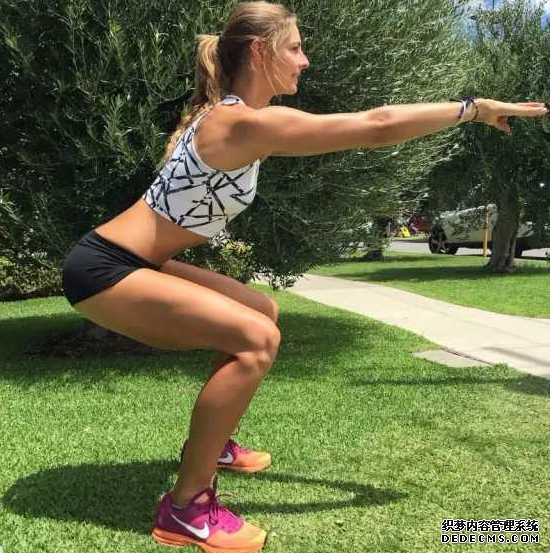
What the hell is Asian squatting? Only we Asians know that the Asian squat is a posture we have been accustomed to since childhood, especially in rural and remote areas. Since it became popular on social networking sites, more and more people have begun to try the Asian squat. This Asian squat is also a term that has become popular recently. As for what the Asian squat is, the editor of q6u.com will tell you
Does the Asian squat have fitness effects
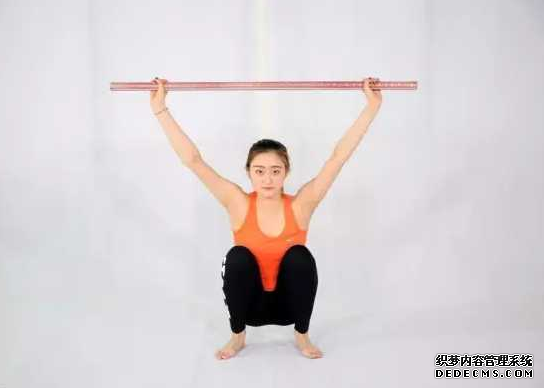
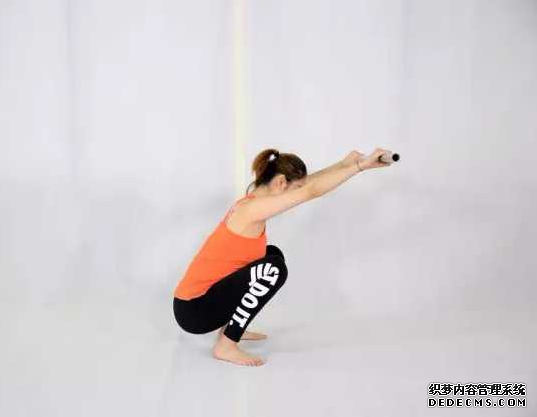
Asian squat is not harmful to health. On the contrary, it is a good test movement. Whether the Asian squat cannot be done, is not done well, or is accompanied by pain during the squat, it reflects two major problems. One is poor flexibility, and the other is insufficient muscle strength. These two problems are the main causes of running injuries. The power source of all sports comes from muscle contraction, and running is no exception. Muscle contraction generates enough force to push the human body forward. Of course, poor strength will not allow you to run fast and make you more prone to fatigue. On the other hand, poor strength weakens the buffering effect when flying and landing, causing greater impact on the joints. Insufficient flexibility results in stiffness of the body, poor stretchability and elasticity, resulting in limited range of motion and insufficient stretching. The combination of these two factors greatly weakens the human body's athletic ability, seriously affects running economy and coordination, making running more strenuous and strenuous. In addition, long-term load accumulation, if you are not injured, who will be injured? In a nutshell, weak and stiff muscles are an important cause of running injuries. In fact, slightly changing the Asian squat movement and raising your hands while squatting is a more comprehensive test and evaluation movement than the Asian squat. This movement can quickly evaluate the strength and flexibility level, thereby predicting whether you are a high-risk group for running injuries.

What are the benefits of Asian squats
Completing the "Asian squat" requires the cooperation of the four joints of the waist, hip, knee, and ankle, as well as the cooperation of multiple muscles of the body. The muscles used in the squat movement are: erector spinae, gluteus maximus, quadriceps, popliteus, and triceps calf. Problems with any muscle will lead to the loss of the "Asian Squat" function. Regularly doing "Asian squats" can strengthen your body.
First of all, squatting exercises can strengthen blood vessels. When a person squats down, his body becomes three-fold, and the squeezed blood vessels shrink, and Qi and blood rush to the unsqueezed blood vessels throughout the body, forcing them to expand and bulge; when the person stands up, the whole body's Qi and blood rushes to the originally squeezed blood vessels, filling them with blood. In this reciprocating movement of qi and blood, squatting together, pressing and releasing, rushing and returning, the blood vessels throughout the body are repeatedly flushed, softening the blood vessels, accelerating blood circulation and metabolism in the body, and activating the immune system.
Second, squatting exercises can strengthen joints, bones and muscles. Squatting can enhance the range of motion of the waist, hip, knee and ankle joints, enhance the flexibility of the knee joints, and delay joint aging. Regular squatting exercises can enhance muscle strength, especially the muscle strength of the lower limbs; the strength of the two legs is enhanced, which can effectively prevent falls.
Third, the weight loss effect is obvious. Squatting can burn a lot of calories and can help you lose excess body fat, especially the fat accumulated in the buttocks and thighs. In addition, squeezing the abdomen when squatting promotes the burning and decomposition of fat around the abdominal organs and reduces fat accumulation; it can also stimulate gastrointestinal food digestion and promote the secretion of digestive enzymes.
What should I do if I can’t complete the Asian squat
1. First of all, completing the Asian squat requires the cooperation of the four joints of the waist-hip-knee-ankle and the cooperation of multiple muscles of the body. The muscles used in the squatting movement are: erector spinae, gluteus maximus, quadriceps, popliteus, and triceps calf. Problems with any muscle will lead to the loss of Asian squat function:
1. Tightness of the erector spinae
The abdomen cannot overlap the thighs, the upper body will fall backward, and the center of gravity will be unstable and it will be easy to "squat on the butt".
2. The quadriceps are tight
When the eccentric contraction becomes worse, the squatting movement cannot be completed.
3. Tightness of the triceps surae
That is, the ankle dorsal extensor muscles are limited, and the heels will tip when squatting, and the whole foot cannot touch the ground.
4. The eccentric contraction of the gluteus maximus becomes worse
It is often the case that they are afraid to squat. In daily life, we can see that many elderly people have loose and weak hips as they age. This is why they need support when completing the squatting movement.
5. Popliteus muscle weakness
The popliteus muscle plays a "key" role in the movement of the knee joint. If the popliteus muscle is weak, it cannot play the role of a key on the back of the knee joint when squatting, and cannot pull the lateral meniscus back to prevent the tibial joint from squeezing the meniscus when the knee is bent.
6. The hip abductor group is weak
The hip deltoid abductor group is weak and cannot pull the tibial joint outward. When squatting, the knee joint rotates internally, and the relatively tight vastus lateralis muscle pulls the patella outward, resulting in pain and restriction on the outside, front and upper side of the knee joint when squatting.
In addition, if you have the following pathological conditions, you will also be unable to complete the Asian squat!
1. Limited knee flexion:
① Joint adhesion caused by trauma or surgery;
② Tissue contracture caused by long-term joint immobilization;
③Joint locking caused by meniscus injury, intra-articular loose bodies, patellar dislocation, etc.;
④Synovitis, acute septic arthritis, gouty arthritis, osteoarthritis, etc.;
⑤Some intra-articular tumors.
2. Limited hip flexion:
Femoral head necrosis, gluteal muscle contracture, hip arthritis, hip dislocation, etc.
3. Limited ankle dorsiflexion:
Ankle arthritis and fractures, Achilles tendon rupture, nervous system damage, etc. cause Achilles tendon contracture after long-term braking of the Achilles tendon.
4. Severe limitation of lumbar spine movement:
①Soft tissue injuries such as myofibrositis and ligament strain;
②Bone hyperplasia such as proliferative arthritis of the cervical and lumbar spine;
③Bone destruction is seen in spinal tuberculosis or tumors;
④vertebral fracture or trauma;
⑤lumbar disc prolapse.
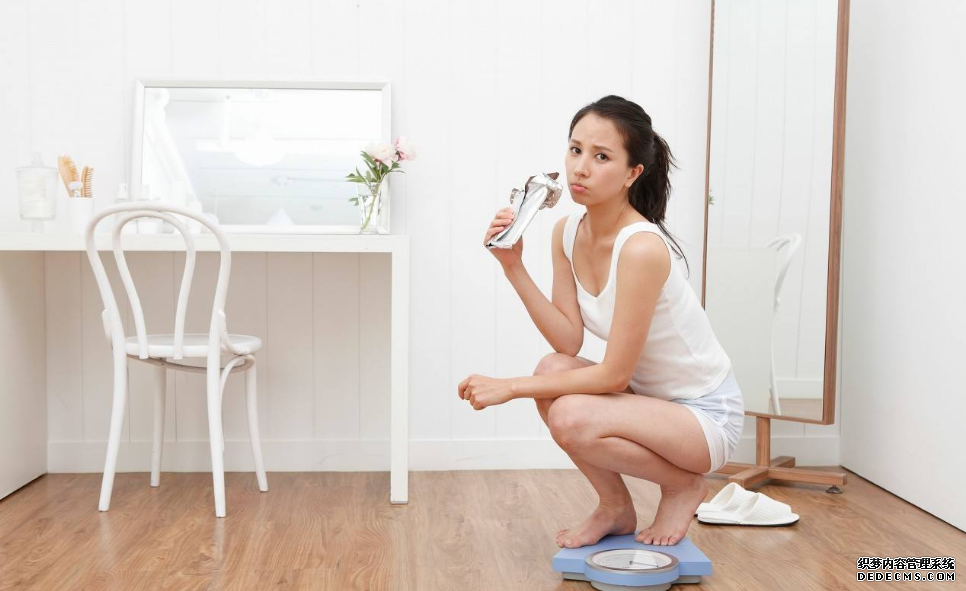
Of course, being unable to complete the "Asian Squat" is probably caused by being too fat!
Can everyone do the Asian squat?
Asian squat is a good exercise for healthy young adults. The amount of exercise is large and requires full body coordination to complete. Doing squats can strengthen the muscle strength of the lower limbs, increase cardiopulmonary function, and speed up blood circulation. However, this exercise is not suitable for general promotion. Many people are not suitable. Even healthy people must exercise moderately because squatting will cause a certain degree of damage to the knee joints. Specifically, the elderly, people with limited movement of hip and knee joints, people with cardiovascular and cerebrovascular diseases, people with lumbar and cervical spine problems, and people who are overweight are not suitable for "Asian Squat". When standing after squatting, attention should be paid to preventing postural hypotension, and the range of movement should not be too large. Middle-aged and elderly people with aging knee joints are no longer suitable for "Asian squats". It is relatively safer for middle-aged and elderly people to perform static training, such as "quiet squats against the wall": open your feet shoulder-width apart, point your toes forward, keep your upper body straight against the wall, bend your hips and knees, and squat down to maintain it. Keep your back close to the wall, tighten your abdomen, keep your pelvis in a neutral position, and keep your knees in the direction of the second toe. Try to keep your calves perpendicular to the ground. Generally, squat until you can no longer hold on each time, and then repeat immediately after resting for 1-2 minutes. If your physical condition is good, you can bend your knees to 60 degrees. If your condition is poor, you can bend your knees slightly and don't force it. Nowadays, many people follow APPs or videos to exercise. In fact, the movements are not standard, which not only fails to strengthen the body, but also causes injuries. People with physical diseases should still exercise under the guidance of a doctor and not blindly follow the trend.
下一篇:How to identify the authenticity of OFF-WHITE x AJ1 | rajawali99 domino, rtp monte77, slot 008

最新更新
- The Rise of Hyper-Casual Games: Why They’re Taking
- Mobile Gaming Essentials: Best Accessories for You
- The Ultimate Guide to Downloading Mobile Games fro
- How to Optimize Your Mobile Gaming Experience on A
- The Rise of Indie Mobile Games: Hidden Gems to Dis
- Mobile Game Reviews: The Top Picks of 2023 | coral
- How to Download APKs Safely for Your Android Games
- Mastering the Latest Android Gaming Trends: Your U
- Best Mobile Game Genres: A Comprehensive Overview
- A Comprehensive List of Free Mobile Games You Can’
FeaturedRead
猜你喜欢
- Paul leads Harden and others into Clippers locker
- How to Download the Latest Games on Android | link
- Exploring the Best Paid Mobile Games on Android an
- The Rise of Mobile Gaming: A Look at Trends and Fu
- Epic Battles Await: The Best Free-to-Play Games fo
- How to Make In-Game Purchases without Breaking the
- Top Cross-Platform Mobile Games You Need to Play |
- The Future of Gaming: Why Mobile Devices Are the N
- Exploring the Best Free-to-Play Mobile Games You N
- A Complete Guide to Mobile Game Monetization Strat
FollowUs